
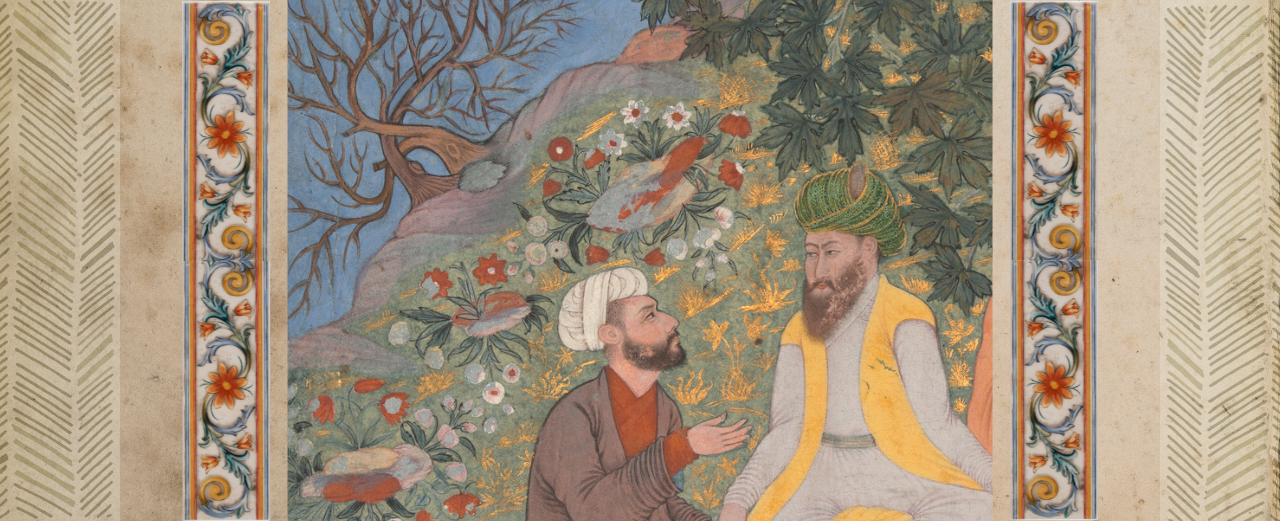

Have you experienced situations where someone seems to block your path?
They may overtly or covertly obstruct our work, withhold information or opportunities, or spread rumours and misinformation. We know this by many names — politics, manipulation, sabotage, or simply hurtful behavior that disturbs our peace of mind.
The story of two wandering dervishes carries an important wisdom for dealing with such situations.
The Wandering Dervishes
Dervishes are people who renounce the life of a householder and spend their time in contemplation of the Divine. Like any human endeavor, there are those who are genuine, and many who are not. But like diamonds, the existence of many fakes does not deny the existence of the real.
This incident is about two such dervishes — a teacher and his disciple — who were sincere seekers. They spent their time in study and meditation, and sought alms to sustain themselves.
They would not stay in one place for long. After a few days, they would move on to another town or village. Wandering dervishes often avoided settling in one place, because even a small hut can become an attachment.

Moving to a New Place

Once, as they entered a town, stray dogs gathered together and began chasing them.
While running away from the dogs, the disciple remarked, “Teacher, it looks like we will go hungry today. These dogs won’t let us collect our food.”
The teacher remained silent.
As the dogs continued to chase the dervishes, and harass them, they kept their minds on the Divine.
An Unexpected Turn
At this point, an elderly woman saw from a distance that the dervishes were in trouble. She made loud angry noises, waved her walking stick and drove the dogs away. Then she respectfully invited the dervishes home for a meal.
As she prepared the food, she kindly asked them, “Would you like to carry food with you, or will you eat here?”
The dervishes replied, “Mother, it is just the two of us. We are not traveling with a group. We can eat here or carry the food with us — whatever is convenient for you.”

What is written

The elderly woman then respectfully laid out a mat for them to sit on and served them food. She then brought them milk and fruits.
Before beginning their meal, the elder dervish turned to his disciple and said:
“No dog can take away what God has written in your destiny.
In fact, we received even better offerings today. This is how the Divine works. The barking dogs seemed powerful in that moment, but they could not prevent what life has in store for us.”
“You only should make sure you are meditating on the benevolent God — not the barking dogs.”
Finding the Deeper Cause
His Holiness, The Dalai Lama offers an important exercise for approaching such situations: separating the emotion from its deeper causes.
If someone strikes us with a stick, our impulse may be to become angry and seek revenge. Wisdom asks us to pause and look more deeply.
What is the real cause here?
- The stick?
- The person who hit us?
- The mental delusion that led the person to act that way?
Most of us would agree it is not the stick.


And if we see human beings as souls on a journey — imperfect, confused, yet capable of transformation — then the deeper cause lies in the delusions that cloud the mind.
No one truly wants suffering. Everyone seeks happiness. Yet under fear, insecurity, anger, greed, or delusion, people often act in ways that harm others while believing it will benefit them.
So instead of reacting with anger, wisdom reminds us to cultivate compassion for the person. If we act out of impulse or anger, we too may end up sowing suffering.
Protecting Ourselves
The Dalai Lama cautions us against anger, which often appears to be a form of protection but can become our greatest enemy.
Anger burns away our peace of mind. In moments of rage, we may say or do things that damage years of trust and goodwill. It clouds judgment and weakens our ability to respond wisely.
We must also examine the futility of holding onto anger. If something can be done about the problem, we should act. If nothing can be done, anger only creates a second layer of suffering within us.
Ordinary enemies may harm us occasionally, but they also sleep, eat, care for their families, and move on with life. Anger, however, remains within us continuously, disturbing the mind again and again.

Therefore, wisdom traditions remind us not to feed anger, which often harms us more deeply than any external enemy.
From Surviving to Thriving
The Dalai Lama offers a third reason to view opponents with gratitude: someone who challenges or obstructs us can become an unexpected teacher.

How would we develop inner strength if everyone around us always supported us?
If a tennis player wants to strengthen their game, they need an opponent. In the same way, those who obstruct us often become the very people through whom we practice and strengthen our virtues — determination, patience, resilience, creativity, and compassion.
The more we develop this perspective, anger transforms into clarity and compassion. And the obstacles that once disturbed us become opportunities to grow.
Reflection Question
What helps you remain steady when someone’s behavior causes you hurt or difficulty?
Sources
- Jaswant Singh Parwana, Bahiye Padhiye Paas
- Dalai Lama, The Joy of Living and Dying in Peace
Leave a Reply