

On the path of becoming a better person, we learn to live in harmony with others.
We work on our anger, aggression, and impulses—so that we do not harm those around us.
But what happens when our goodness is taken advantage of?
When softness is seen as weakness?
When kindness becomes an invitation for others to hurt us?
A story from the Gospel of Sri Ramakrishna helps us understand an important distinction.
The Terror
A large venomous snake had struck terror in a village. It lived in the fields outside the settlement, and people stopped using the path that passed through those fields.
One day, a sage was about to walk that way. The village boys stopped him.
“Don’t go there Master! A deadly snake lives in that field. It has bitten many people.”
The sage replied calmly, “Do not worry. I know mantras that will protect me.”

The Mantra

The sage continued walking. As he neared the fields, the snake slithered toward him.
When the snake raised its hood to strike, the sage recited a mantra. The snake immediately grew calm.
The sage said, “It is not good to bite passersby and spread terror. I will give you a mantra to meditate on the Divine. It will help you see the Divine in all beings, and rid you of your violent nature.”
The snake was moved by the peace on the sage’s face and agreed.
As the sage departed, he reminded the snake:
“Repeat the Name of the Divine, and do not harm anyone. I will return one day.”

The Change
From that day on, the snake stopped chasing people.
Children began throwing stones at it, but the snake did not retaliate.
Seeing that it no longer bit, the boys grew bolder. They came closer, stamped on it, and began playing with it like a rope.
One day, they picked it up by the tail, swung it through the air, and slammed it onto the ground.
The snake was badly injured and fell unconscious. Thinking it was dead, the boys walked away.
Living in Hiding
After some hours, the snake regained consciousness. Its bones were broken, and it could barely move.
It crawled into a hole and stopped coming out during the daytime, afraid of the mischievous boys.
It would emerge only after dark, surviving on fallen leaves and fruit. With injury and hunger, it grew weak and lifeless.

The Sage Returns

A year later, the sage passed through the village again.
When he asked the boys about the snake, they replied, “Oh, it’s dead.”
The sage could not believe it. He went to the fields and called out to the snake by the name he had given it. After some time, the snake emerged slowly and bowed before him with great reverence.
The sage was shocked by its condition. “What has happened to you?” he asked.
The snake replied, “Nothing… I have stopped hunting. I survive only on fruit that falls from the trees.”
The sage probed, “I heard the boys used to throw stones at you. Is that why you no longer come out?”
The snake held no anger. It had almost forgotten. “Oh yes… they did hurt me. But you told me not to harm anyone. So I decided to hide, so that I would not be in their way.”
The sage shook his head in pain. “I told you not to bite. But who told you not to hiss?”

Ramakrishna’s Wisdom for Living
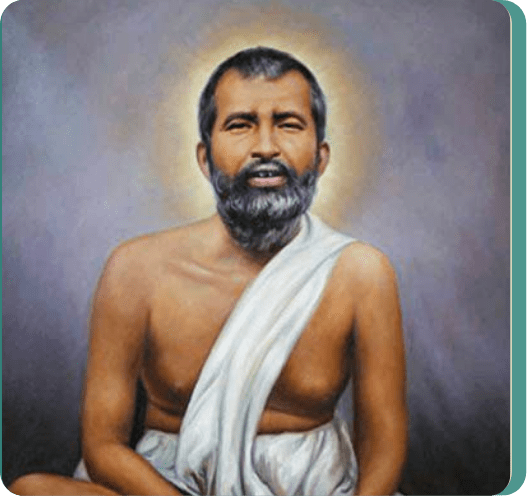
Sri Ramakrishna concludes with this lesson:
“There is no harm in hissing at wicked men and at your enemies, showing that you can protect yourself and know how to resist evil.
Only you must be careful not to pour your venom into the blood of your enemy.
Do not resist evil by causing evil in return.”
We must walk the path of kindness—but that does not mean wickedness disappears. It remains part of human nature.
When confronted with harmful intentions, we must not be afraid to stand up and defend ourselves or others. The key is how we do it:
- Fight the act, not the person
- Resist without hatred
- Protect without poisoning the heart
- Forgive when the moment has passed
- Never fight longer than necessary

The Way of the Warrior

Paulo Coelho writes of the warrior of light:
“A warrior of light is always vigilant.He does not ask anyone else for permission to wield his sword; he simply takes it in his hands. Nor does he waste time explaining his actions; faithful to God’s decisions, he gives his answer in what he does.
…he does not seek revenge; he merely drives away the enemies of his life, never fighting with them any longer than is necessary. ”
Guru Teg Bahadar Ji, the ninth Guru of the Sikhs, shows how this fine balance is struck:
भै काहू कउ देत नहि नहि भै मानत आन ॥
One who does not frighten anyone, and who is not afraid of anyone else
कहु नानक सुनि रे मना गिआनी ताहि बखानि ॥
Says Nanak, listen, O mind: only such a person can truly be called spiritually wise.

Kindness does not mean becoming helpless. It means resisting harm without hatred, protecting without revenge.
References
- Vivekavani: Hiss, But Bite Not
- Shuvomoy Blog: The Holy Man and the Poisonous Snake
- Gurmeet Kaur: Fascinating Folk Tales of Punjab
Reflection Question
Have you come across similar wisdom—about doing no harm, while still learning to stand up for truth when necessary?

Collective Reflections
Over time, reflections emerge through our blogs, workshops, and community gatherings. We gather a few of these voices here anonymously as part of our shared contemplation.
- My favorite story from Ramakrishna Schooling in Chennai – I use it in my training.
- Each one to live their own swadharma – that is how HE designed it

 The Sabad Project - Wisdom stories
Leave a reply to Shkelqim Korca Cancel reply