

There are days when the mind feels light and chirpy. And days when it gets dragged low.
When we get an upset stomach, we think back to what we ate in the last 24 hours. When the mind feels upset, we need to do something similar: look back at what it has consumed in the last 24 hours.
What is the diet of the mind? The story below offers us an insight.
Boondeya Wale Sant

In Prasangaliyan, Bhai Vir Singh Ji describes his encounters with people who lived with deep awareness—people whose lives were examples for anyone seeking a better way to live. One such person was a devout saint from Gorakhpur who visited Amritsar and became close to Bhai Vir Singh Ji.
He would spend long hours in the precincts of Harmandir Sahib, listening to the divine music. He was lovingly called “boondeya wale sant” because he wore a woollen cap with hanging pom-poms—like the kind babies wear.
After immersing himself in prayer and kirtan for hours, he would step out and plug the pom-poms into his ears. If someone spoke to him, he would remove them, listen gently, and then place them back.
One day, an acquaintance asked him,
“Why do you keep your ears plugged like this?”
The Sant replied,
“My friend, I have just dipped the bowl of my heart into the nectar of peace—like sweet pudding. I don’t want the poison of idle talk to mix into it.”

Thich Nhat Hanh on Mindful Consumption

Thich Nhat Hanh reminds us to be just as mindful of what we hear and see as we are of what we eat.
Every conversation, every message, every video we watch is a form of consumption. Sometimes our interactions are full of toxins—anger, fear, judgement, frustration. When we listen to such conversations, we unknowingly consume these toxins. Later, we feel anger, fear, or heaviness—but we may not understand why.
If we trace it back, we often discover what the mind has ingested. We need to be very mindful of what we see and listen to.
How do we reduce such intake?
- Avoid content filled with anger, fear, lust, hate, or excessive desire—like advertisements shouting, “You need this to feel confident!”
- Fill your mental plate with nourishing content, so the mind wanders less—focus on your highest potential, and the goodness in others.
Politely decline invitations into toxic talk, the way you decline junk food. - Avoid places and company where such “food” is regularly served.

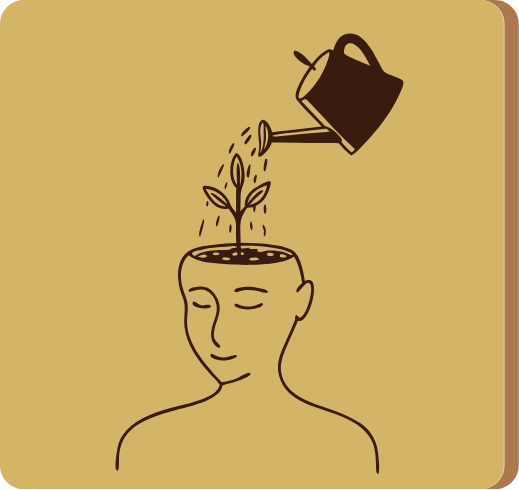
- When you notice something harmful has entered, clean it before it accumulates.
- Build healthy habits of the mind so that you develop immunity when you unavoidably encounter negativity.
- Choose your own words carefully. Words circulate—and what you send out eventually returns. Choose words that reflect compassion, forgiveness, and empathy.
If you cannot say something kind, pause until you can respond better.
Sant Kabir on Guarding the Nectar Within
Sacred traditions describe the Divine potential within every being as a pool of nectar or a jewel. But this nectar is constantly being plundered by “thieves” – lust, anger, greed, delusion, pride and ego. How do these thieves enter?
Through the doors of our senses.
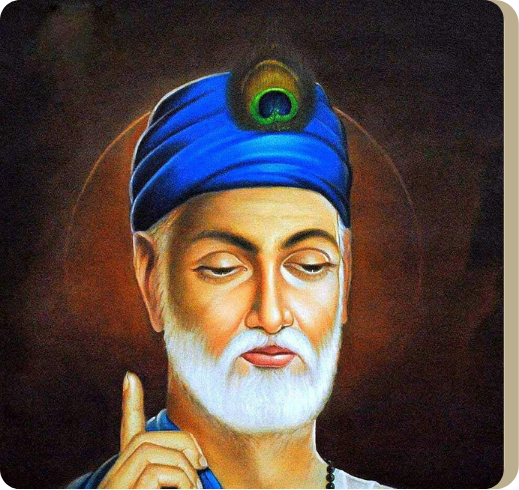
Sant Kabir describes the experience of turning inward in the following verses:
संतहु मन पवनै सुखु बनिआ ॥
O Saints, this mind that once wandered like the wind has now become peaceful and still.
किछु जोगु परापति गनिआ ॥ रहाउ ॥
I feel as if I have understood a little of the way — the path of Union. ||Pause||
गुरि दिखलाई मोरी ॥
The Guru has shown me my hidden weakness—

जितु मिरग पड़त है चोरी ॥
the opening through which the deer-like desires would slip in and steal the fruit of my virtues.
मूँदि लीए दरवाजे ॥
So I have closed these doors (the outward-drifting senses),
बाजीअले अनहद बाजे ॥१॥
and now the unstruck, celestial melody resounds within. ||1||
कुँभ कमलु जलि भरिआ ॥
The pitcher of my heart-lotus had long been filled with the water of impurities,
जलु मेटिआ ऊभा करिआ ॥
but with the Guru’s grace, I have emptied that water and set the vessel upright to receive the Divine nectar.
कहु कबीर जन जानिआ ॥
Says Kabir: now I have understood the mystery of the Divine,
जउ जानिआ तउ मनु मानिआ ॥२॥१०॥
and knowing this, the mind has found its rest in the One. ||2||10||
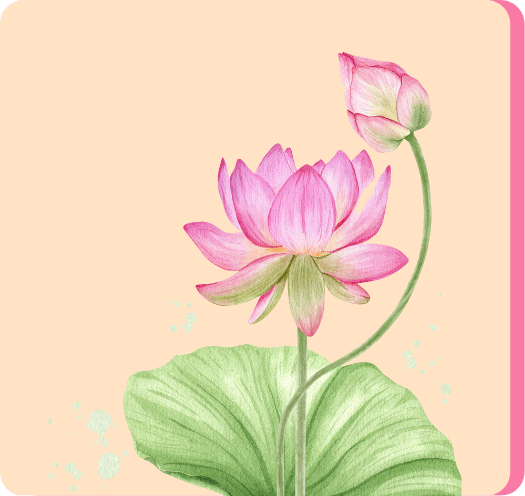
When the doors are guarded, external disturbances reduce. The inverted lotus symbolizes our consciousness caught in the mud of sensual pleasures. When the lotus is upturned, the accumulated impurities flow out, and the lotus can bloom into the Light.
Reflection Question
Have you discovered a source of toxins that your mind was unknowingly consuming? How has conscious consumption changed your state of mind?
References
- Bhai Sahib Bhai Vir Singh, Prasanglian
- Discourse by Giani Pinderpal Singh Ji
- Thich Nhat Hanh, The Art of Communication
- Sikhitothemax, Translation of Guru Granth Sahib


 The Sabad Project - Wisdom stories
Leave a reply to G Madan Mohan Cancel reply