
How do we measure success in life?
By the praise we receive?
The wealth we accumulate?
The influence we hold with those in power?
Let’s pause—and consider how the true teachers of wisdom see these markers of success.
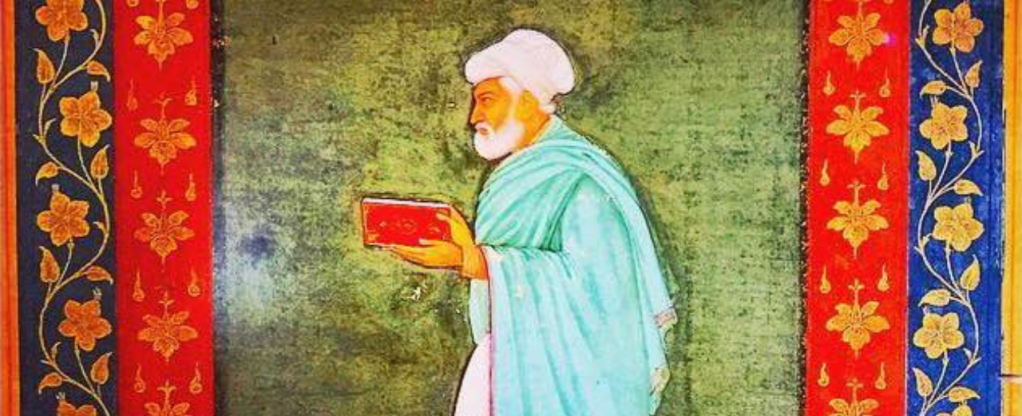
Who Was Sain Mian Mir?
In times when divisions run deep and places of worship become battlegrounds, the life of Sain Mian Mir shines like a lamp in a storm. A voice of stillness amid noise. A presence of compassion in a world of claims and counterclaims.
Sain Mian Mir was a revered Sufi saint of the 16th – 17th century. When the Harmandir Sahib (popularly known as the Golden Temple) was to be built, Guru Arjan Dev Ji — the fifth Sikh Guru — personally journeyed to Lahore to invite him to lay its foundation stone.
Royal figures regularly sought his presence—Emperor Jahangir, Shah Jahan, Noor Jahan, Dara Shikoh.
Living the Ideals
Despite the royal attention, Sain Mian Mir led a life marked by simplicity and discipline. He ate from earthenware. He consumed only what was necessary to live. He avoided sweetmeats and grand feasts. He wore no special robes of holiness — just coarse fabric and a plain turban.
He washed his own clothes, kept his space clean, and sat on coarse rugs. Those same rugs became the seat of learning for kings and queens who came seeking wisdom. Noor Jahan and Dara Shikoh sat there, not as rulers, but as students.
Followers and Fame
Sain Mian Mir had no interest in crowds. Except for the communal prayers, he avoided large gatherings. He chose solitude and contemplation. And if someone knocked on his door during such moments, he would gently say:
“My good fellow, you have important work to do — and so do I.”
Why such indifference?
It becomes clearer when we reflect on the expectations people often bring to spiritual teachers. They come seeking relief from sorrow, some blessing or talisman, or divine intercession.
Sain Mian Mir would remind them:
“You wish to escape your troubles without cultivating goodness in your actions. That is not possible. Feed the hungry, clothe the poor. Use the wealth given to you by the Divine to serve those in need—only then will your hardships begin to ease.”
Indifference to Power
His disregard for worldly power is best revealed in an episode involving Emperor Jahangir. The Emperor once summoned him to Delhi. Though reluctant, the dervish agreed. As was customary, the Emperor offered him a reward before he left.
“Tell me how I may serve you,” Jahangir said.
“Can you truly give me what I ask for?” replied the saint.
“Of course.”
“Then I ask this—please do not send for me again.”
Silence followed. The Emperor understood. After that, if he wished to see the dervish, he travelled to Lahore himself.
The bitter pill of truth
Before a major campaign in the Deccan, Jahangir visited Sain Mian Mir to seek his blessings. While he waited, a disciple arrived and offered a rupee to the dervish.
Sain Mian Mir asked the man to give it to the neediest person in the room.
The man walked around, offering it to everyone he thought might need it. All politely refused. He returned, confused.
“No one here seems to be in need,” he said.
The saint pointed to the Emperor beside him.
“Give it to him. He is the neediest person here. Not content with one kingdom, he now wants another. He has come all the way from Delhi — to ask, to acquire.”
Shining Light On Our Path
Such fearlessness was not arrogance. It came from deep knowing — from seeing through the illusion of power and pride. Recognizing what truly matters. Having the courage to live by the truth. And relying not on the powers outside, but on the One that resides within.
References
- Darveshi Gakkhri, Principal Satbir Singh
- Discourses by Giani Pinderpal Singh
- Wikipedia on Sain Mian Mir
- Sikh Wiki on Sain Mian Mir
Image credit: Wikimedia commons
Reflection Question
Is there an expectation of success or approval from others that you’ve learned to let go?


 The Sabad Project - Wisdom stories
Leave a comment