


Sometimes life feels like a struggle. Circumstances may not seem in our favor. Relationship knots seem hard to unravel. The support we look for doesn’t arrive. And we begin to wonder whether we have the strength to keep going.
Thich Nhat Hanh shares a story about a rich man’s son that offers us some insights for our own lives.
The rich man
A rich man had a very lazy son. The young man did not care about his responsibilities. He simply squandered his father’s money. He showed no interest in learning a trade or discovering how to earn a living.
The father worried about what would happen after his death. He feared that his son would sell everything he owned and eventually fall into poverty.
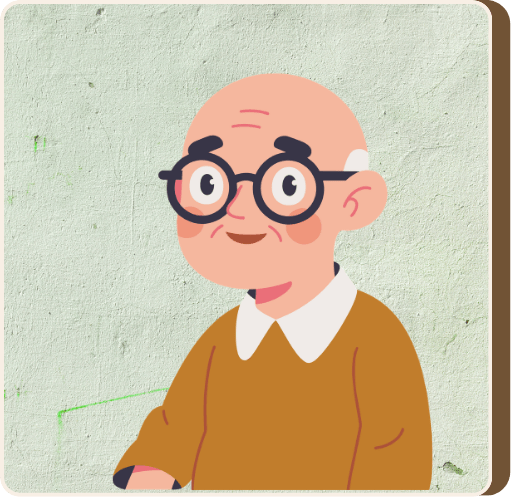

He tried hard to change his son’s habits. But over time he realized that this transformation might not happen in his lifetime.
Still, he kept thinking of ways to help his son. One day he came up with an idea.
He called a tailor and asked him to stitch a jacket. Once it was ready, he began wearing the jacket every day until it slowly became old and worn.
The father’s last wish
One day he called his son and said:
“After I die, you will inherit all my wealth. I hope you will make good use of it and learn to live wisely.”
“However, if you decide to sell my belongings, I have only one request. Take this jacket and wear it every day. No matter what you do with the rest, do not sell this jacket. That alone will make me happy.”
The son looked at the old jacket, it seemed a manageable promise. So he agreed.

“Alright, father. I promise I won’t sell this jacket.”
The father’s death

A few weeks later, the father passed away.
As the father had feared, the son soon began squandering the wealth he had inherited. One by one he sold his belongings to keep up with his expenses. Eventually, even the house had to be sold.
The friends who had once surrounded him during times of wealth slowly disappeared.
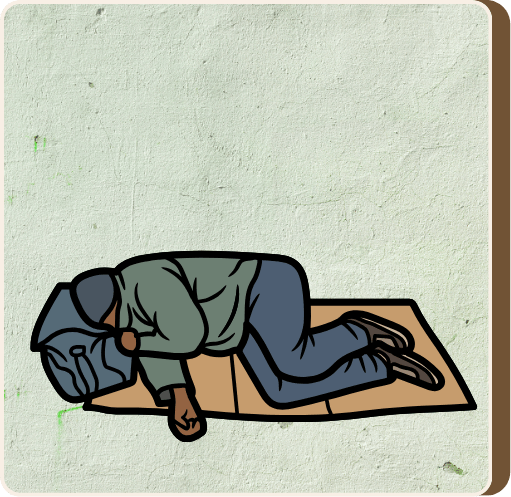
The young man began wandering from place to place. Unable to make a living, he often went hungry. Some nights he slept under a tree, some nights in the open.
But his father’s jacket kept him warm.
The discovery
One day, while lying on the ground, he felt something hard beneath the jacket. At first he thought it was a stone under the ground. But when he shifted a little to the side, the hard object was still there.
He checked the pockets. They were empty.
Curious, he began examining the inner lining of the jacket. Finally, he cut a small hole in it.
To his surprise, he discovered that his father had hidden a precious gem inside.
A new beginning
After years of wandering in poverty, the son realized that he was still rich.
But those years had also taught him an important lesson. This time he would not squander his inheritance.
He started a small business and slowly rebuilt his life. Eventually he bought a house and began again with gratitude.
He felt deeply thankful that life had given him a second chance.
We are like the son
The Buddha shared this story and pointed out how we are all like this son.
We too have inherited great wealth — wisdom, love, and joy inside us. But we behave as if we are poor.
Like the journey of the rich man’s son, we often squander these inner treasures. We trade them for short-term pleasures and passing gains. We exchange virtues for vices, believing they will bring us happiness.
But the pursuit of external pleasures at the cost of inner anchoring eventually leaves us feeling restless and drained.


Life, however, gives us another chance every day. When we learn to look within, we rediscover the jewel we have inherited.
Our true wealth does not lie in what we possess outside. It lies in the natural qualities of joy, peace, and goodness within us. These are the treasures that cannot be exhausted.
They help us discover happiness in each moment.
They give us the strength to rise above obstacles.
And they help us build a beautiful life even in difficult circumstances.
A reminder for everyday
You, the richest person on Earth,
who have been going around begging,
stop being the destitute child.
Come back and claim your heritage.
Enjoy your happiness
and offer it to everyone.
Cherish this very moment.
Let go of the stream of distress
and embrace life fully in your arms.

Wisdom across traditions
The Guru Granth Sahib also reminds us of the treasure within — a wealth that cannot be stolen, burnt, or drowned.
सिमरउ सिमरि सिमरि सुख पावउ सासि सासि समाले ॥
When I remember the Divine and meditate with every breath, I find peace.
इह लोकि परलोकि संगि सहाई जत कत मोहि रखवाले ॥
The Divine is with me in this world and beyond — my help and support wherever I go.
गुर का बचनु बसै जीअ नाले ॥
The Guru’s Word abides within my soul.
जलि नही डूबै तसकरु नही लेवै भाहि न साकै जाले ॥
It does not sink in water. Thieves cannot steal it. Fire cannot burn it.
Jaswant Singh Parwana explains that when our actions go against the Divinity within us, we slowly diminish the wealth we have inherited.
But when we live with inner awareness — choosing truthful thoughts, words, and actions — this wealth keeps growing.
Then we never feel impoverished. Instead, we experience an abundance of peace, joy, and strength.
Cultivating the inner gem
How do we rediscover this inner treasure?
Arya Nagarjuna, the 2nd Century Buddhist philosopher and founder of the Madhyamaka school of Buddhism, in his advice to his friend King Satakarni, points the contrast between qualities that cultivate inner wealth and those that drain it:
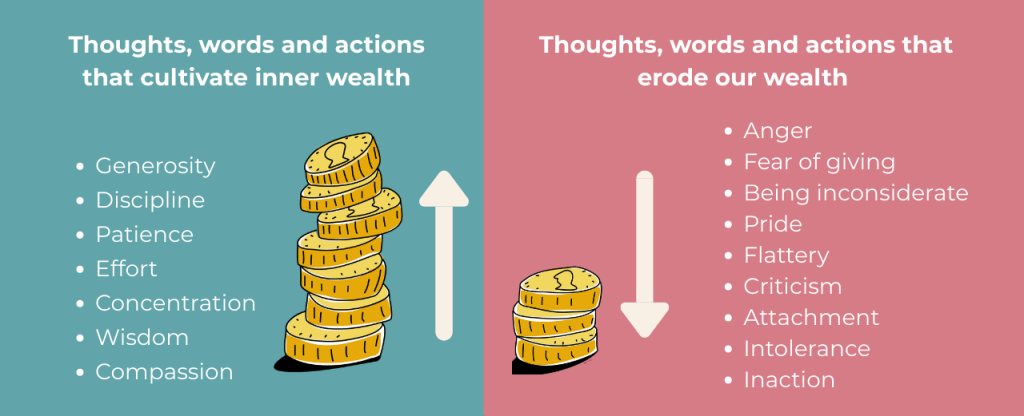
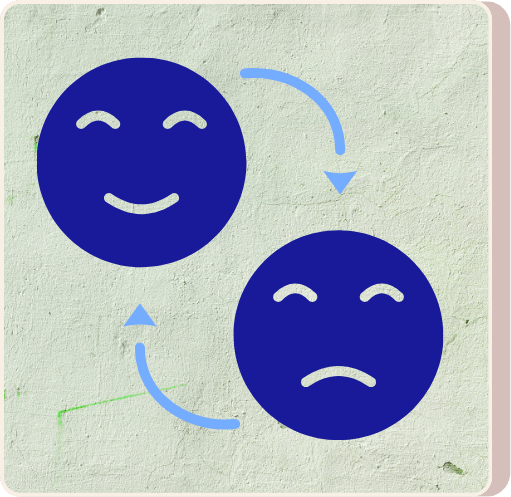
When we observe our thoughts and actions carefully, we begin to see how some tendencies nourish our inner life while others quietly diminish it.
By steadily cultivating the first set of qualities — beginning with small actions in our daily lives — we gradually align ourselves again with our true nature and rediscover the treasure that resides within.
Reflection question
What is one quality you would like to cultivate in your life — one that helps you rediscover peace and joy within?
References
Thich Nhat Hanh — A Pebble for Your Pocket
Jaswant Singh Parwana — Bahiye Padhiye Paas
 The Sabad Project - Wisdom stories
Leave a comment