


What do you do when you try to live by the rules of being a good human being — and then encounter someone who has no such concern?
When you face harm, manipulation, cheating, or injustice.
The person before you may have far greater strength, wealth, or power.
Does it make you wonder whether such acts must be met with equal force and cunning?
Whether being ‘good’ in such circumstances is merely naivete?
The tale of the dervish on the street offers a quiet reminder.
The Dervish on the Street
A dervish once sat quietly on the pavement outside a grand mansion. The house belonged to the village chief — a wealthy and powerful man.
From the balcony above, the chief’s wife looked down. She was dressed in fine silks, chewing betel leaf — a common practice in those days. The leaf, filled with fragrant spices, would be chewed and later spat out.
Seeing the dervish seated below, she casually spat the betel onto his head.


The dervish had been absorbed in contemplation. Feeling something fall, he gently brushed his head and looked up to see where it had come from.
The woman smirked.
The fakir met her gaze. His eyes were steady, but he said nothing. He did not react.
But power often carries a fragile ego. Used to being obeyed and saluted, it becomes unsettled when it encounters someone who does not bend.
“How dare he look at me?” she thought. “A beggar sitting on the road?”
The Complaint
Angered, she stormed inside.
“What use is your power and status?” she complained to her husband. “A beggar dared to glare at me. So what if I threw some betel on his head?”
The village chief frowned. Without asking questions, he picked up his staff and followed the dervish, who had begun walking down the street.
He swung his staff and struck the dervish hard on the head.
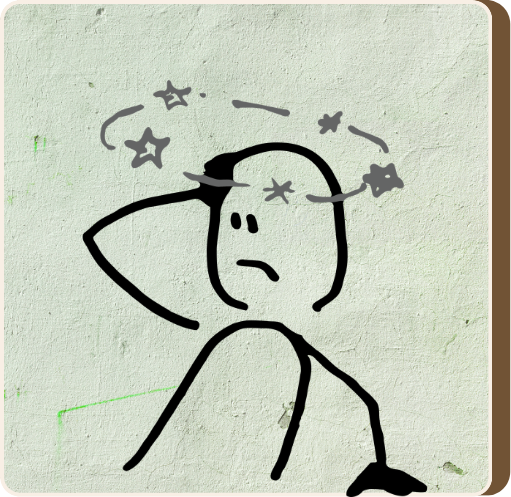
Blood trickled down. The dervish felt dizzy and sat down, clutching his wound. Yet the calm smile remained on his face.
Looking upward, he remarked, “This too is Your grace today, Master.”
Turning Back Home

The chief, feeling vindicated, turned back toward his mansion. He climbed the steps to the terrace, eager to show his wife that the lesson had been delivered.
But as he reached the final step, he slipped. Losing his balance, he fell from the height and landed heavily on the ground below, grievously injured.
The wife, watching from above, panicked. Everything had unfolded in moments.
Overcome with fear, she ran to the dervish and folded her hands.
“Baba, please forgive me.”
The dervish looked at her with confusion. “Who are you, mother?”
“I am the woman who spat on you,” she replied, trembling. “My husband struck you… and now he lies injured. Please forgive us.”

A Matter Between Two Masters

The dervish glanced at the fallen chief and understood.
Folding his own hands, he said, “Please forgive me.”
The woman stared at him, bewildered. “Forgive you? For what?”
“This,” he replied, “is a matter between two Masters.”
She did not understand.
“Your husband is master of this town,” the dervish said. “He had the power to strike me. But I too have a Master — the Sovereign of this Universe. Your master delivered a blow. My Master settled the account.”
He expressed it in verse:
Tere maalik ko teri riyayat zaroor thi,
Mere maalik ko meri himayat zaroor thi.
…Tera maalik aaya, woh danda laga gaya,
Mera maalik aaya, woh lekha chuka gaya.
Your master took your side.
My Master stood in my protection.
…Your master came and struck his staff.
My Master came and settled the account.
The dervish was neither angry nor vengeful. He trusted that a larger justice works in its own way. But he was keeping no accounts — that was not his place.

Living at the Feet of the Master
The dervish appeared penniless — but he was not powerless. He lived in refuge of the Divine.
As Guru Ram Das ji reminds us:

Some form alliances with friends, children, and siblings.
Some seek protection from in-laws and relatives.
Some align themselves with chiefs and leaders for their own advantage.
My alliance is with Hari, who pervades everywhere.
Other alliances eventually fall away.
When they do, they leave behind regret
and a mind burdened by attachment.
I have formed my alliance with the Divine —
no power can equal Its strength.
A Childhood Lesson That Still Applies
When children face bullies on the playground, we teach them to defend themselves — to speak up, to step back, even to protect themselves if needed.
But we also teach them not to become the bully.
Respond — but do not cross over.
In life too, injustice may need to be addressed. As teachers, parents, managers, or citizens, we may have to correct, confront, or challenge.


Compassion does not mean silence.
It means speaking without anger.
Acting without hatred.
Correcting without losing our own centre.
The laws of the natural world — truth, balance, integrity — operate quietly but unfailingly. When we violate them, we too attract consequences.
When You Hold Power
Worldly wealth and power are not inherently wrong. They are necessary for living. But without humility and inner anchoring, they become dangerous. When we are accustomed to being obeyed, it becomes harder to remain gentle.
What allows someone to know their strength — and still remain humble?
Guru Arjan Dev ji describes this inner state:
गुर कै गृहि सेवकु जो रहै ॥ That servant who abides in the Guru’s house,
गुर की आगिआ मन महि सहै ॥ accepts the Guru’s command within the mind,
आपस कउ करि कछु न जनावै ॥ does not make a show of himself,
हरि हरि नामु रिदै सद धिआवै ॥ and meditates constantly on the Divine Name.
मनु बेचै सतिगुर कै पासि ॥ One who surrenders the mind to the True Guru —
तिसु सेवक के कारज रासि ॥ that servant’s affairs are brought to fulfilment.
सेवा करत होइ निहकामी ॥ Serving without desire for reward,
तिस कउ होत परापति सुआमी ॥ such a one realises the Divine.
अपनी कृपा जिसु आपि करेइ ॥ Upon whom the Divine bestows grace —
नानक सो सेवकु गुर की मति लेइ ॥ O Nanak, that servant receives the Guru’s wisdom.

The ideal of the Master’s servant reminds us: Strength and compassion need not be opposites. They are held together in one who lives anchored at the feet of the Master.
References
- Giani Pinderpal Singh. Rab De Ghar Da Insaaf.
- Guru Ram Das Ji. Sri Guru Granth Sahib, Ang 366.
- Guru Arjan Dev Ji. Sri Guru Granth Sahib, Ang 286.
Reflection question
When you encounter injustice or wrongdoing, what helps you remain rooted in integrity?

 The Sabad Project - Wisdom stories
Leave a comment