

Have you noticed a simple question like “How’s the weather?” can receive completely different responses?
“Awfully cold.”
“Why is it raining now? It’s well past the season!”
“What lovely weather – perfect for hot pakoras.”
“This will surely cause a traffic jam.”
Same weather. Different experiences.
So how much does my way of seeing really matter?
The following gatha tells the story of two immigrants, offers a quiet but powerful insight.
The Invasion
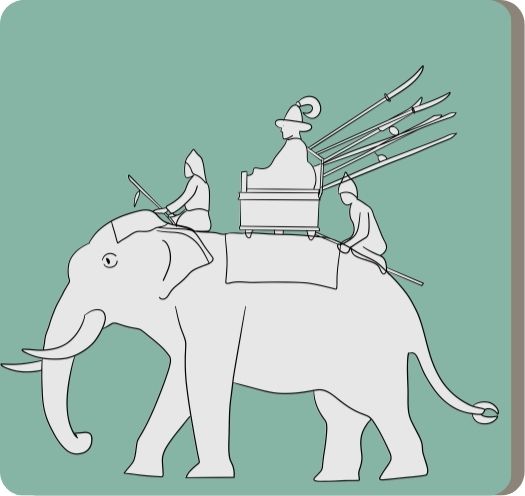
A town was invaded by a foreign army. It became unsafe to remain, and the residents fled to nearby towns.
Two people reached the same neighbouring town and sought permission from the town chief to settle there.
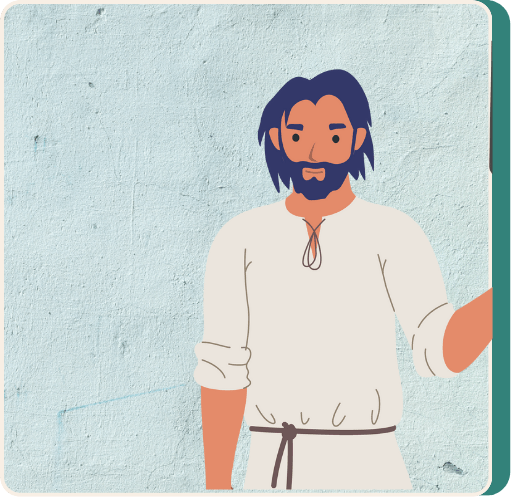
The first person approached the chief and said,
“I want to live here. Can you tell me what kind of people stay in this town?”
The chief replied calmly,
“First tell me — what kind of people lived in the place you came from?”
“They were terrible people,” the man said.
“I’m glad that town was destroyed. I used to pray day and night that it would burn down. My prayers were answered — though it took a long time.”
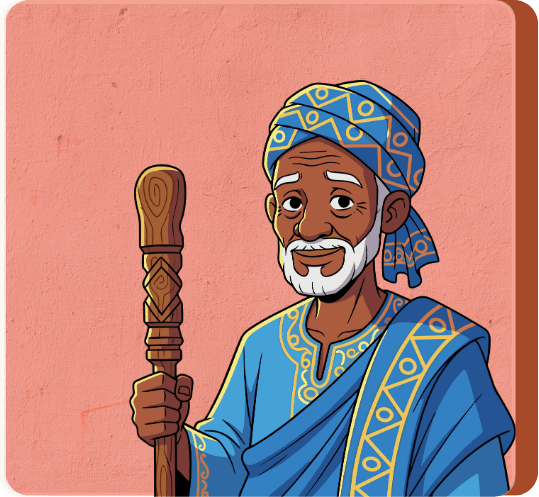
The chief responded,
“You are likely to find the same kind of people here too. And perhaps you will soon start praying for this town to be destroyed as well. You may want to look elsewhere — for a place where you expect to find good people.”
The second resident arrived at the door of the town chief and expressed his wish to live there. The chief looked up, wondering if this man would ask the same question as the previous immigrant. He did not.
So the chief decided to pose the question himself:
“What kind of people were there in the town you lived in earlier?”
The man replied,
“They were very kind. I received a lot of love and respect from them. I wish the town had not been attacked. Otherwise, I would never have left.”
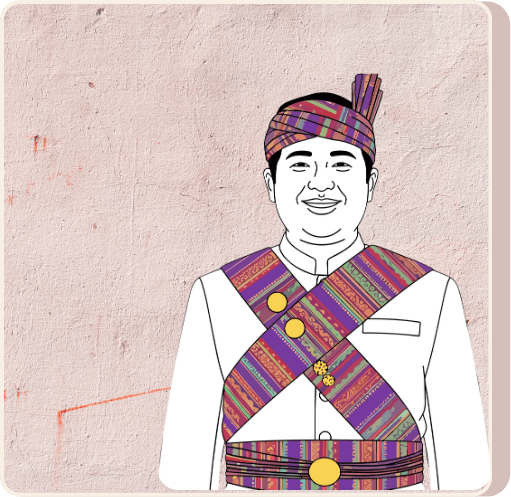
The chief smiled and said, “You are most welcome here. I am sure you will receive the same love and respect in this town too.”
What Changed?

A few townspeople who had been listening nearby were puzzled.
“Within minutes,” they said, “two people asked about this town. You gave them completely different answers. Why?”
The chief replied:
“We were not discussing the town. We were seeing what each person carried within.
The first man carried anger and bitterness. He would have found enemies wherever he went.
The second wore the glasses of trust and goodwill. That is what he saw in others. When he lives here, he will make friends and help create the same atmosphere of respect and goodwill that he once experienced.
The way we look at the world shapes the world we live in.

What This Means for Our Wellbeing

Every town and every organisation benefits from people who carry a positive outlook.
But this story is also deeply personal.
What we repeatedly look for begins to colour our inner world — and our emotional life. The more we notice what is good, the more resilient and balanced we become.
There is a simple saying in Hindi:
“Jaisi drishti, vaisi srishti.”
As the vision, so the world.
This does not mean ignoring problems. It means choosing to place our attention on what can be strengthened, healed, or improved — rather than being consumed by what is broken.
When We Are Responsible for Others
But what if we are teachers, leaders, parents, or mentors? What if we are responsible for helping others grow or deliver results?
Does this mean turning a blind eye to mistakes and simply being “feel good” all the time?
The lesson goes deeper.
The poet-saint Madhav Deva of Assam described four kinds of people:

- Adham – sees only faults in others.
- Madhyam – sees both faults and merits.
- Uttam – sees only the good in others.
- Uttamottam – sees the good in others through a magnifying glass.

In a conversation on “amplifying the good,” Nipun Mehta of ServiceSpace reminds us that this approach is not naïve — it is deeply practical.
He quotes Vinoba Bhave:
A person’s good qualities are like doors, and their faults are like walls.
If you approach people through their faults, you keep hitting the wall.
If you approach through their good qualities, you enter straight into their heart.
Reflection Question
Is there someone whose way of seeing life has inspired you? What do you wish to learn or emulate from them?
References
- Jaswant Singh Parwana, Dharam ki Yatra
- Nipun Mehta, Science of Soul Force: How Your Heart Changes the World
 The Sabad Project - Wisdom stories
Leave a comment