
Many of us pray, meditate, or read sacred texts with sincerity.
Yet the mind still feels restless, and old habits keep showing up.
It’s natural to wonder: Does prayer really work? Does reading sacred texts really change the way I live?
A story from the life of King Vikramaditya offers us some insights into this question.
The Three Statues

This story is commonly attributed to King Vikramaditya. In other traditions, it is also associated with King Krishnadevaraya and his court poet Tenali Raman.
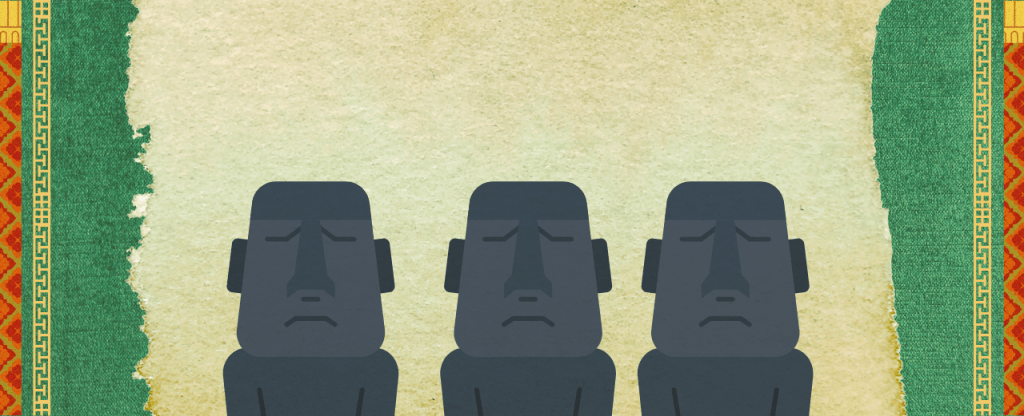
Once, a sculptor arrived at the king’s court carrying three statues. At first glance, they looked exactly alike.
“Though these statues appear the same,” the sculptor said, “their value is very different. I request a wise person in your court to judge which one is the best — and assign a fair value.”
The king was intrigued by the sculptor’s work. The statues were beautifully crafted — yet they looked exactly alike.
“Let me ask my ministers to examine them,” the king said. “Come back in three days.”
The Difficult Puzzle
When the king and his ministers studied the statues more closely, they were puzzled. The figures were identical in size, shape, and finish. Each minister examined them carefully, but no one could find any difference.
Finally, the king turned to Kalidasa, the renowned poet and scholar — one of the nine gems of his court.
“Can you tell us the difference?” the king asked.

Kalidasa requested a few days to study the statues closely and took them home with the king’s permission.
The Test
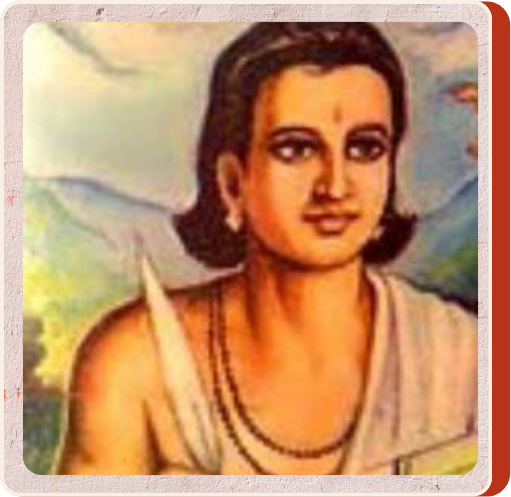
Kalidasa examined the statues from every angle. He turned them around, studied their surface, and reflected deeply — but still found no visible difference.
The next morning, an idea occurred to him.
He brought a bowl of water and gently immersed each statue, one by one. As he did so, he noticed bubbles rising to the surface. Kalidasa smiled.
The following day, he returned to the court. “I have discovered the difference,” he announced.
The king and his ministers leaned forward eagerly.
“Please show us,” they said.
The Difference Revealed
Kalidasa asked for a long, thin straw. When it was brought, he held up the first statue and inserted the straw into its left ear. The straw came out through the other ear.
He then tried the second statue. This time, the straw entered through the ear and emerged from the mouth.
Finally, he tested the third statue. The straw went in—but did not come out.
Which is more valuable?
“So,” asked the king, “which one is the best?”
Kalidasa explained:
“The first statue is of the least value. Whatever it hears passes straight through—entering one ear and leaving through the other.”
“The second statue has some value. What it hears comes out of its mouth. It speaks, but retains nothing.”
“The third statue is the most valuable. What it hears stays within.”
A Wisdom for Daily Life
Giani Pinderpal Singh relates this story to our own journey on the spiritual path.
And then there are a few who test these teachings in the laboratory of their daily life. Their words may not be polished, but their lives embody the values spoken of by the sages.
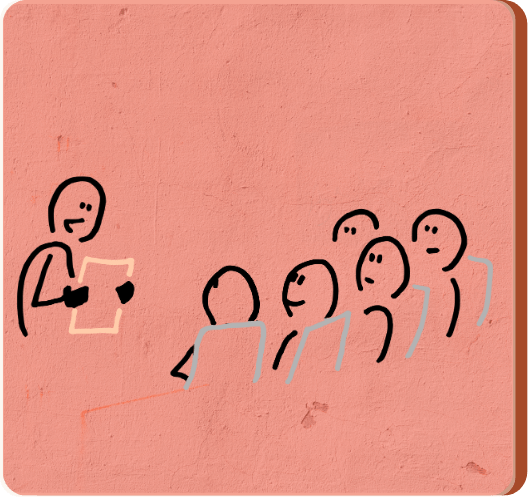
Some attend lectures, read sacred texts, or participate in gatherings — but remain unchanged. It is as though the words pass through without leaving a trace.
Some hear and speak eloquently about these ideas, yet do not pause to ask whether they are reflected in their lives.
He offers a simple, practical suggestion:
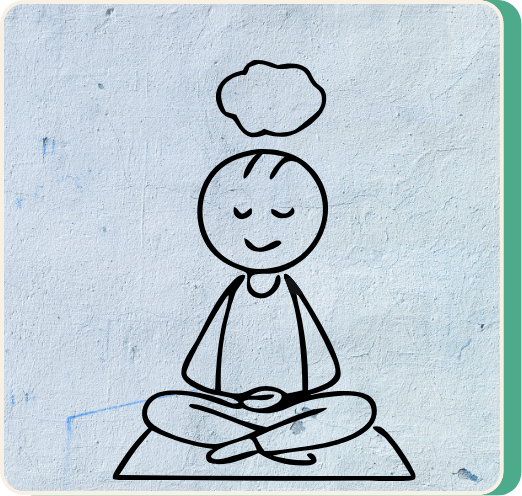
- When you read your prayers or sacred texts, slow down. Listen to the words as if the Guru is present in front of you.
- Pay attention to the teaching. What does it say about how to live your life?
- Ask yourself: Is this how I really live? Then, through the day, try — even if imperfectly — to live that one value.
The message across traditions
Across traditions, the guidance is the same: teachings are meant to change the mind, not just inform it.
As His Holiness the Dalai Lama reminds us:
None of us wants suffering — we all seek happiness. Lasting happiness does not come only from changing our words or actions, but from transforming the mind.
One may wear the label of being Buddhist, Hindu, Christian, Jewish, or Muslim.
But transformation comes not from labels or words,
it comes from walking the path shown by Buddha, Ram, Jesus, or Mohammed.

Reflection Question
Is there someone whose life inspires you through the way they live? Which actions or values in their life inspire you the most?


 The Sabad Project - Wisdom stories
Leave a comment